Phone cases are among the most familiar mobile accessories, but a strong wholesale range requires more than a choice of colours. Buyers should compare device compatibility, materials, protection, fit and the styles their customers are most likely to use.
A practical assortment can include slim everyday cases, protective designs and selected options for custom branding. Confirm supported models and available finishes before publishing product details or requesting a quotation.
5. Custom-Branded Phone Cases
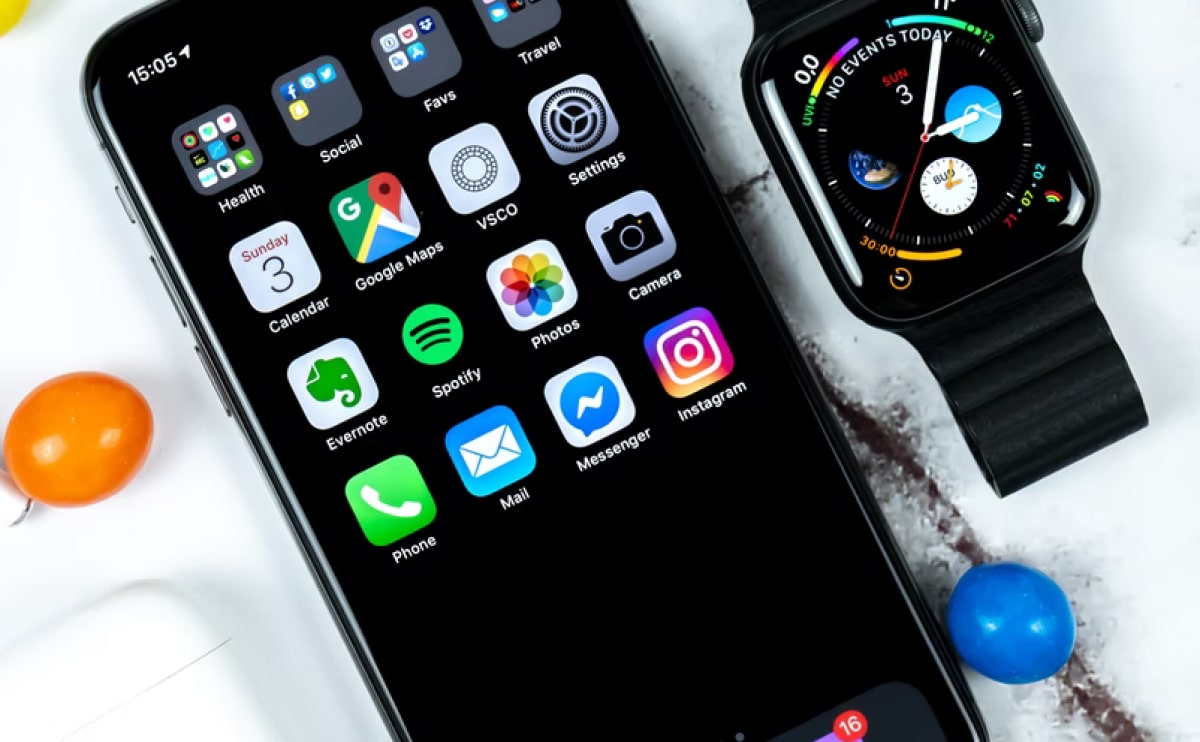
Custom-branded phone cases can turn an everyday accessory into a useful promotional item, employee gift or retail product. The best option depends on the phone model, artwork area, finish and order quantity.
Begin with the device model and intended use, then confirm the available decoration area and finish.
Ask for the current customization options and an artwork proof before approving a bulk run. Keep the logo file, colour references and placement instructions together.
When an order includes several models, list each model and quantity separately so the selected case fits the intended device.
A clear model list and product brief reduce avoidable mistakes when an order includes multiple devices or colour variations.
4. Materials and Everyday Protection
Case materials affect both appearance and everyday handling. Buyers may compare flexible TPU, rigid PC, hybrid constructions and other options offered for the chosen model.
Protection features can include raised edges around the screen or camera, reinforced corners and a secure fit. The exact design varies by case and should be checked against the product specification.
Product descriptions should explain the material and protection features accurately rather than using broad claims that are not supported by the supplier information.


Request product images or a sample when a specific finish, texture or level of protection is important to the order.
3. Fit, Camera and Button Details
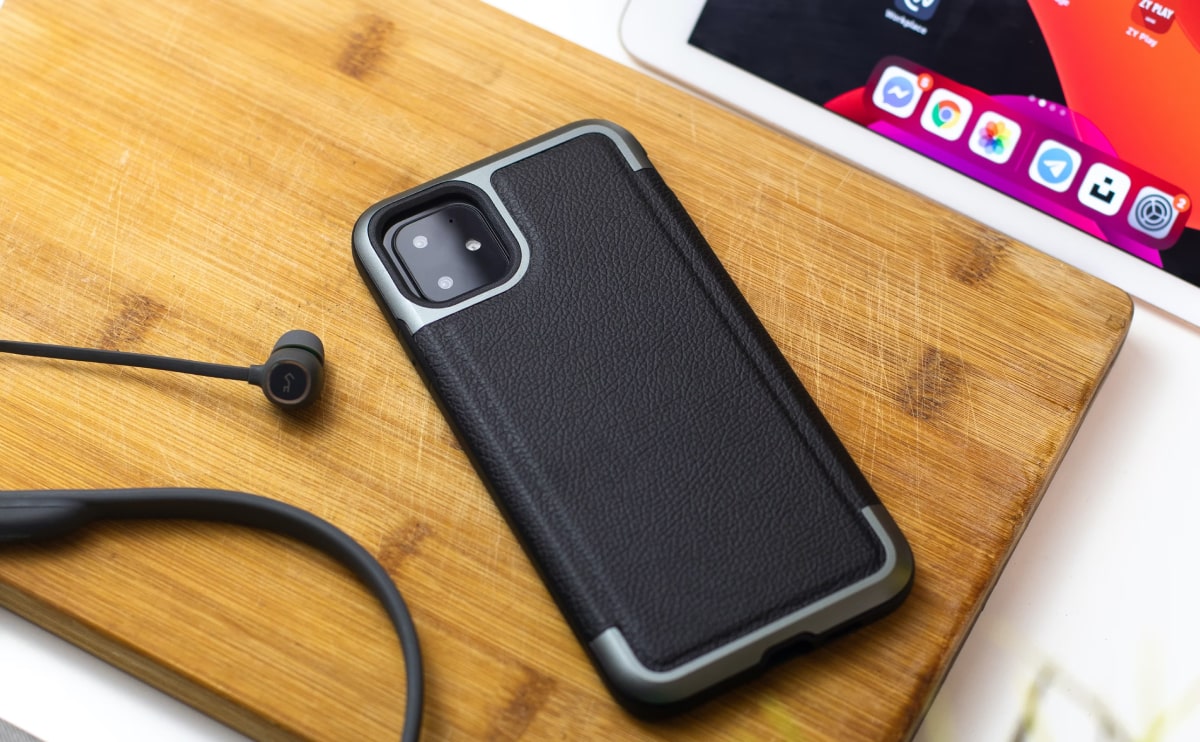
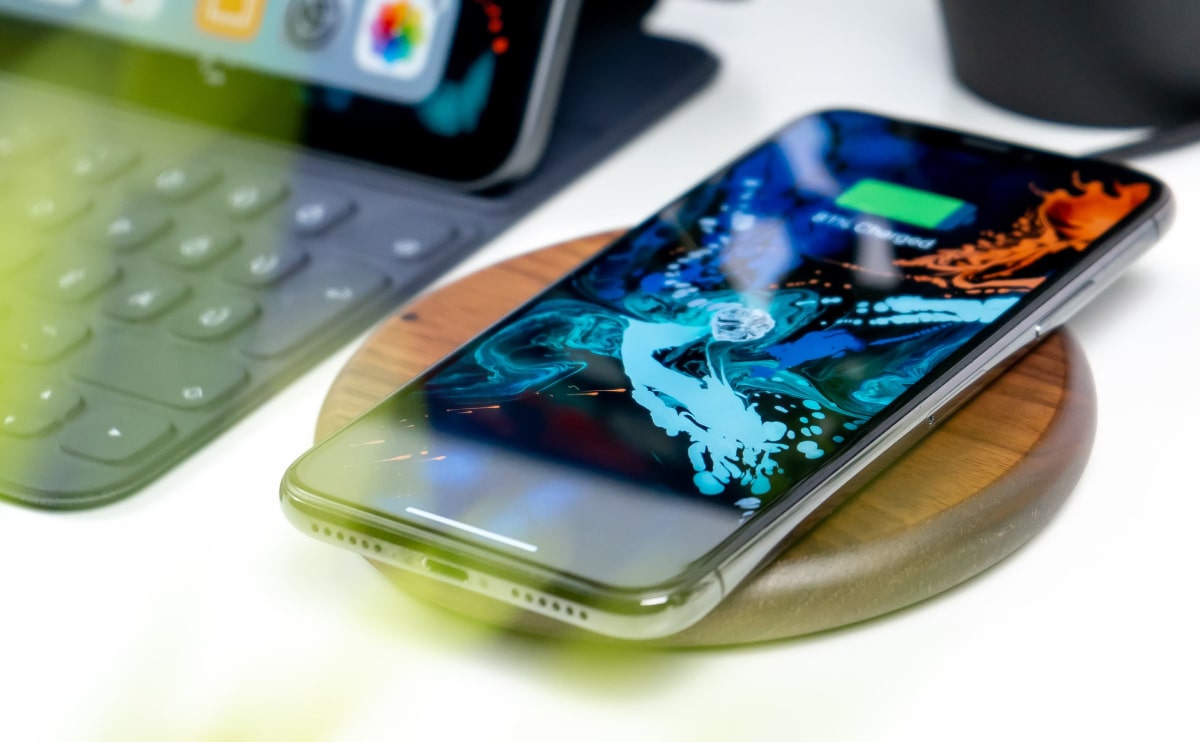
Compatibility is essential. A case designed for one phone generation may not fit another, even when the devices look similar.
Check the camera opening, side buttons, charging port and speaker cut-outs. These small details have a direct effect on usability and should be visible in product information.
For business orders, confirm the exact device model before approving quantities. This is especially important when customers use different versions of the same phone family.
Use the full device model name in listings and order notes so buyers can identify the correct version.
2. Styles for Different Devices
Different customers look for different case styles. Slim cases keep a low-profile appearance, while more protective designs may add thicker edges or reinforced corners.
Clear cases, colour options and textured finishes can help a retailer build a range without changing the basic product category.
Consider how each style fits the devices and audience you serve. A smaller, well-organized selection can be easier to manage than a large assortment with unclear compatibility.
Group options by device model, finish and protection style to make product comparisons easier.
1. Choosing Cases for Bulk Orders


Wholesale planning starts with the devices your customers use and the quantities you expect to order. Check available models, colours, packaging and any minimum quantity before confirming a purchase.
A clear specification is more valuable than a long product list that leaves compatibility unclear.
Where custom branding is requested, confirm the artwork method, print position, sample approval process and production lead time with the supplier.
Keep the quotation, model breakdown and approved artwork together. This makes it easier to review the order before it moves into production.